16 May 2026
Unpacking Geolocation Signals That Shape Roulette Bet Clustering in Cross-Border Mobile Sessions
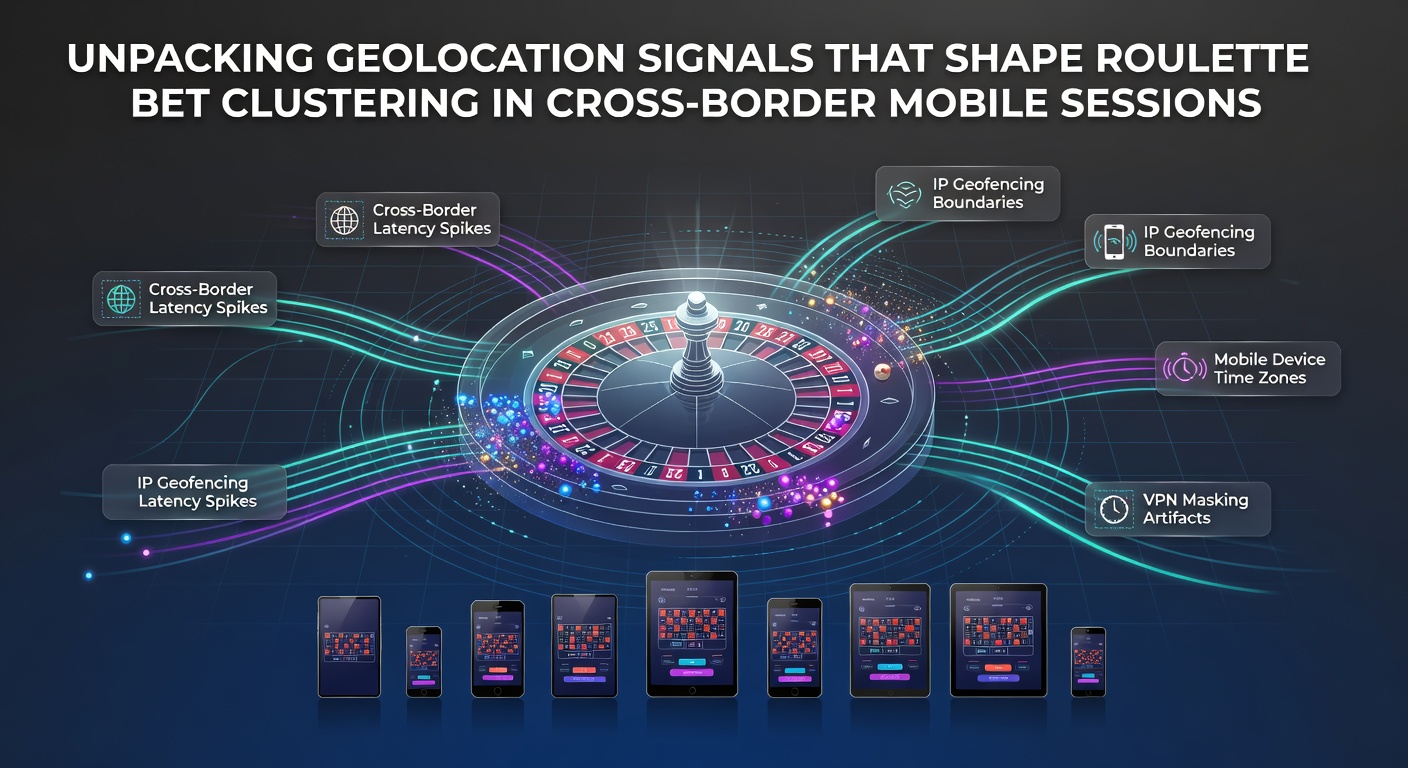
Data from mobile gambling platforms shows that geolocation signals such as GPS coordinates, IP address ranges, and cellular tower triangulation directly influence how players cluster their roulette bets during cross-border sessions. These signals determine not only which games load but also how betting patterns synchronize among users in overlapping regions. Operators rely on this information to enforce jurisdictional rules while users move between countries, and the result appears in grouped wagering behaviors that follow predictable geographic corridors.
Core Components of Geolocation Data in Mobile Roulette
Modern mobile applications collect multiple layers of location information at the start of each session and at regular intervals thereafter. GPS provides precise latitude and longitude when permitted by device settings, while IP databases map the connection point to a country or city level. Network providers add cell tower data that fills gaps when satellite signals weaken inside buildings or during travel. Researchers at institutions tracking digital gambling note that these combined inputs create a composite profile updated every thirty to sixty seconds in live dealer environments.
Operators feed this profile into risk engines that adjust available bet types, table limits, and bonus eligibility in real time. When a user crosses from one regulatory zone into another, the system may instantly restrict certain inside bets or raise minimum wagers to align with new licensing conditions. This automatic adjustment creates visible clusters because players entering the same new jurisdiction receive identical rule sets and therefore tend to mirror one another’s selections.
Mechanisms Behind Bet Clustering
Clustering emerges when multiple devices report coordinates within a defined radius and receive the same regulatory overlay. In practice, this means users traveling along the same flight path or staying in adjacent hotel districts often place similar outside bets within minutes of one another. Platform analytics reveal that correlation coefficients between bet amounts rise sharply once location variance drops below five kilometers. The effect strengthens further when promotional triggers tied to regional events activate simultaneously for the group.
Algorithms detect these groupings by comparing timestamped bet logs against location hashes. When three or more sessions share overlapping geofence entries and exhibit matching wager sequences, the platform may flag the cluster for compliance review or marketing segmentation. Such detection helps operators comply with local advertising restrictions while still serving targeted content that encourages continued play within approved parameters.
Cross-Border Session Dynamics Observed in 2025-2026
Throughout late 2025 and into May 2026, increased travel volumes produced measurable spikes in cross-border roulette activity on major mobile platforms. Figures released by the European Gaming and Betting Association indicate a 22 percent rise in sessions that crossed at least one national boundary during the first quarter of 2026. These movements frequently involved players moving between EU member states where licensing frameworks differ on maximum stake sizes and responsible gambling prompts.
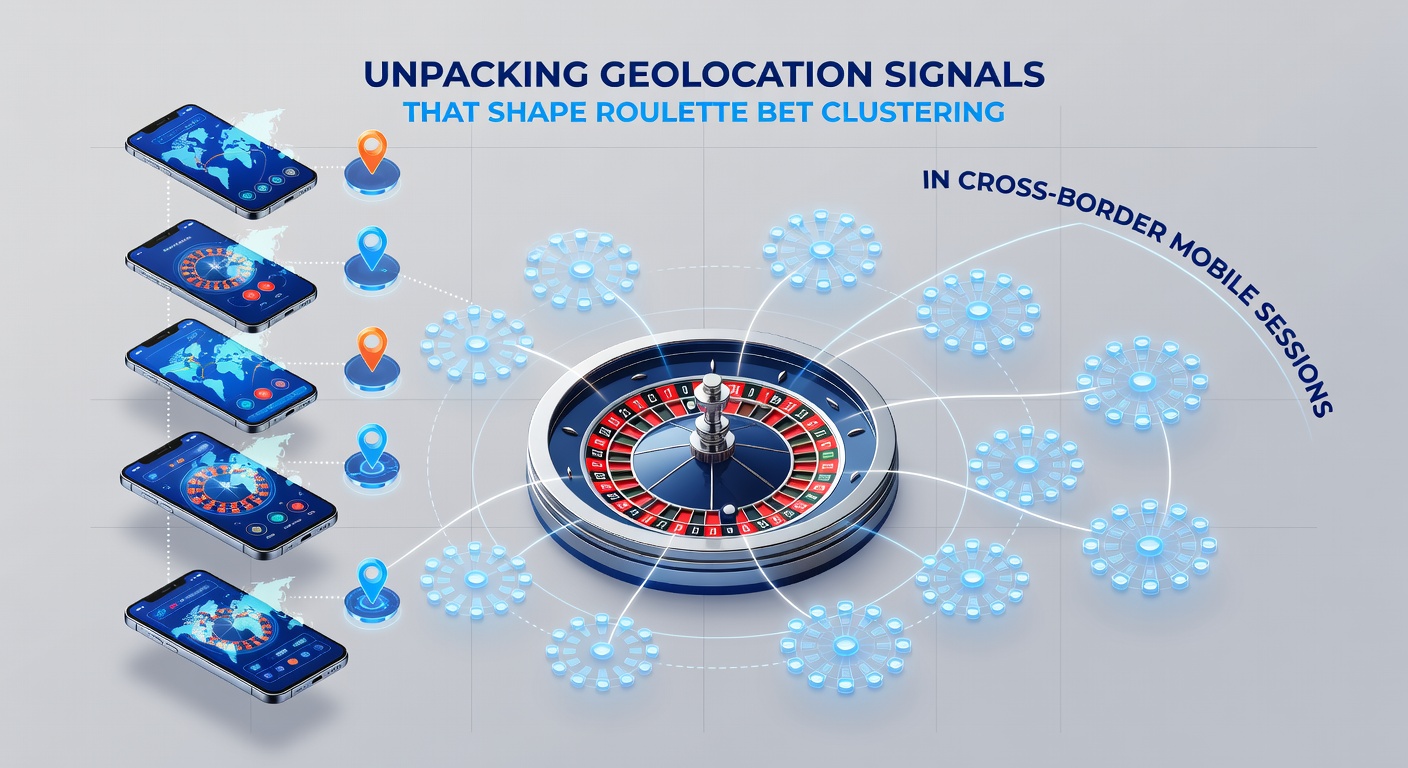
As devices update their location profiles, the roulette wheel interface may switch from one licensed random number generator to another mid-session. Players rarely notice the switch, yet the change registers in backend logs as a new cluster seed. Subsequent bets then align with the fresh regulatory template, producing synchronized patterns that persist until the next boundary crossing. Data scientists studying these transitions report that the average cluster lifespan extends to fourteen minutes after a jurisdiction change before natural divergence reappears.
Regulatory and Technical Constraints Shaping Patterns
Authorities in multiple jurisdictions require operators to maintain accurate location records for every wager placed. The Malta Gaming Authority, for example, mandates continuous verification intervals no longer than ninety seconds for mobile sessions. Similar rules appear in frameworks administered by regulators in Australia and several Canadian provinces, each with slightly different tolerance thresholds for signal accuracy. These requirements force platforms to prioritize high-resolution data sources, which in turn sharpens the geographic resolution of detected bet clusters.
Technical implementations vary. Some operators embed location tokens inside each bet request packet sent to the game server, while others rely on periodic API calls that return updated geofence status. Either approach creates a timestamp trail that researchers can analyze to map how clusters form along major transport routes such as high-speed rail lines or international ferry crossings. The resulting datasets help compliance teams demonstrate that no prohibited bets occurred inside restricted zones.
Future Trajectory Through Mid-2026 and Beyond
Industry reports project continued refinement of geolocation precision as 5G networks expand and device sensors improve. By May 2026 several major platforms had already deployed hybrid positioning systems that combine satellite, Wi-Fi, and Bluetooth beacon data to reduce location uncertainty below ten meters in urban environments. This heightened accuracy is expected to tighten cluster definitions further, allowing operators to segment users not only by country but by specific districts or even individual venues.
Academic papers examining these trends emphasize that improved precision also raises privacy considerations for users who cross borders frequently. Regulators continue to balance enforcement needs against data protection statutes, and the outcome will determine how finely bet clustering can be tracked without additional consent layers.
Conclusion
Geolocation signals serve as the invisible architecture that organizes roulette bet clustering during cross-border mobile sessions. By combining GPS, IP, and network data, operators enforce jurisdictional rules while simultaneously generating observable groupings of similar wagers. Data collected through 2026 shows these clusters forming reliably along travel corridors and persisting for predictable durations after each boundary crossing. As positioning technology advances, the resolution of these patterns will increase, providing clearer insight into how location governs online roulette behavior across regions.