Seasonal Push Notification Strategies and Deposit Clustering Dynamics in Handheld Slot Applications
Alex Simon · Aug 15, 2026
Seasonal Push Notification Strategies and Deposit Clustering Dynamics in Handheld Slot Applications
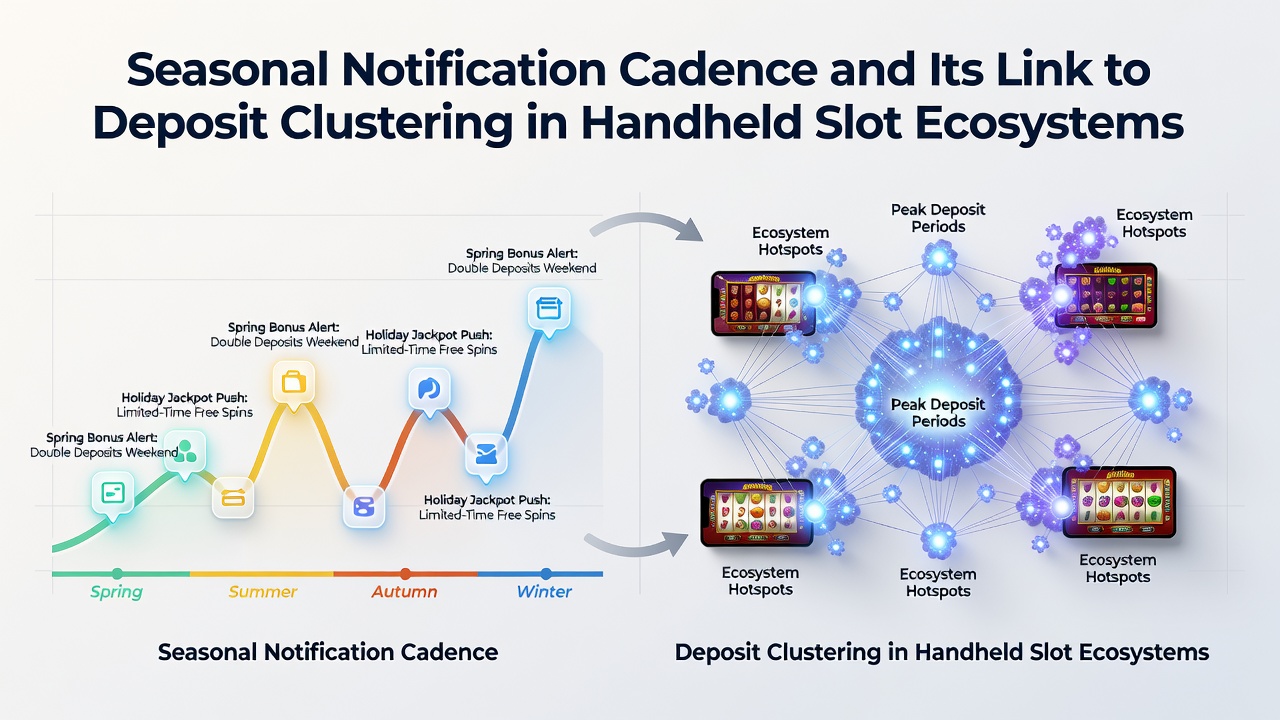
Operators in the handheld slot sector have tracked how seasonal notification schedules align with deposit activity clusters, and data from multiple platforms shows consistent spikes tied to holiday-driven alert timing. These patterns emerge when push messages about limited-time events reach users during specific calendar windows, prompting coordinated deposit sequences across user groups. Studies from industry monitoring services indicate that cadence adjustments, such as increased frequency in December or reduced intervals in summer months, correspond with measurable changes in deposit timing and volume.
Notification Cadence Patterns Across Calendar Seasons
Platform analytics reveal that notification intervals shorten during major holidays, with operators sending alerts every 48 to 72 hours compared to weekly spacing in non-peak periods, and this shift correlates with deposit clusters forming within 24 hours of message delivery. In August 2026, several networks reported elevated activity during back-to-school promotions, where notifications emphasized new game releases and bonus windows, leading to grouped deposits among users in similar time zones. Researchers note that cadence variations also account for regional differences, as European markets tend toward evening sends while North American sessions peak in afternoon hours.
Further examination shows that cadence consistency matters, because irregular spacing can dilute cluster formation, whereas predictable seasonal ramps strengthen them through user anticipation. Data collected across multi-device sessions demonstrates that users receiving aligned alerts often complete deposits in batches, with timestamps clustering around notification timestamps by margins of two to four hours.
Deposit Clustering Mechanisms in Mobile Slot Environments
Deposit clustering occurs when multiple users initiate transactions within narrow timeframes following notification exposure, and handheld ecosystems facilitate this through instant payment integrations that reduce friction between alert receipt and action. Observers have recorded cluster sizes ranging from 15 to 40 users per event in large networks, with higher concentrations appearing during festive seasons when notifications highlight time-sensitive deposit matches. Transaction logs from 2025 and 2026 indicate that mobile-specific features, such as one-tap verification, accelerate these clusters compared to desktop flows.
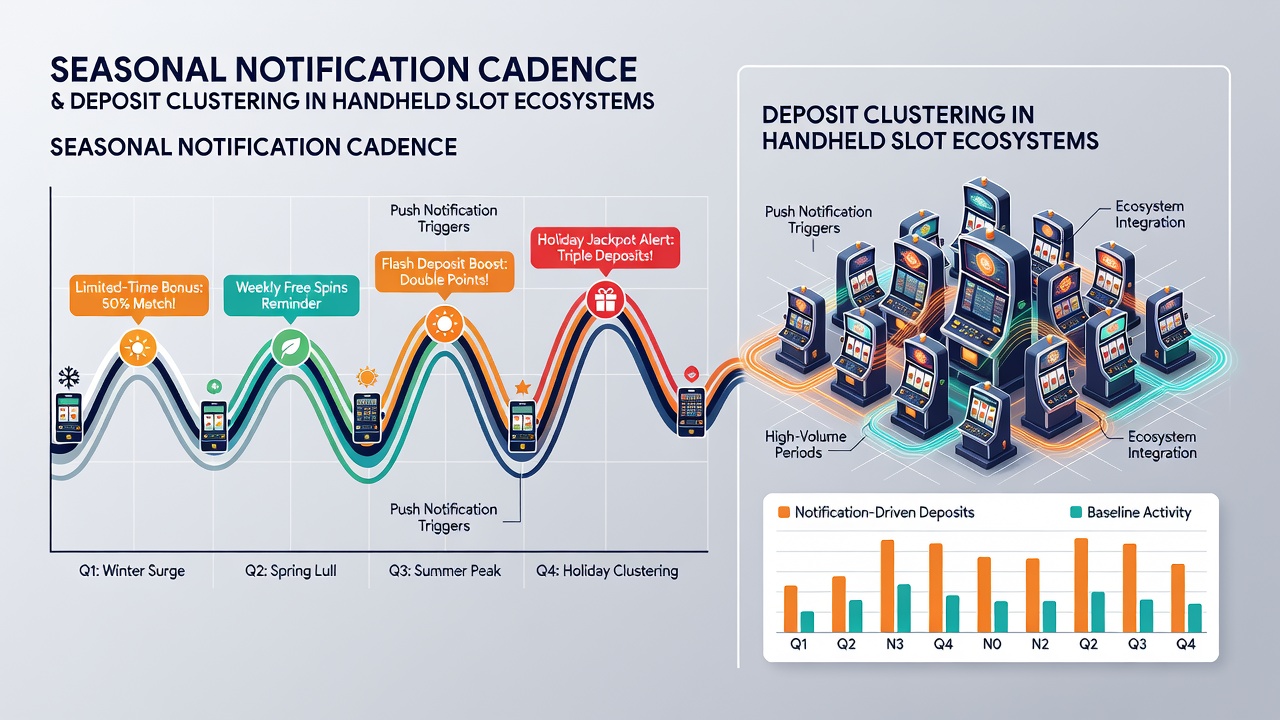
Payment method preferences also influence cluster density, since e-wallet users tend to respond faster than card holders, creating sub-clusters within the broader group. Industry reports from the Canadian Gaming Association highlight that seasonal campaigns using targeted notifications produce tighter deposit groupings in handheld environments than generic messaging does. This effect strengthens when notifications reference prior user behavior, such as favorite slot titles or recent play sessions, prompting quicker collective responses.
Regional and Regulatory Influences on Seasonal Timing
Regulatory frameworks in different jurisdictions shape how operators deploy seasonal notifications, with bodies like the Nevada Gaming Control Board requiring clear disclosure of promotional terms that affect deposit prompts. Australian market data shows operators adjusting cadence to align with local events such as Melbourne Cup season, resulting in distinct cluster formations separate from North American holiday patterns. These adjustments maintain compliance while maximizing the link between alerts and deposit activity.
European platforms operating under Malta Gaming Authority guidelines similarly calibrate notification frequency to avoid over-saturation, yet still achieve measurable clustering during Christmas and New Year windows. Cross-border comparisons reveal that cadence calibrated to local calendars yields stronger deposit synchronization than uniform global schedules.
Technical Factors Driving Notification Effectiveness
Handheld slot applications leverage device-level data, including location and usage history, to time notifications for maximum cluster potential, and this personalization contributes to tighter deposit groupings during seasonal peaks. Network traffic analyses indicate that push delivery during evening commutes or lunch breaks amplifies response rates, with clusters materializing faster when alerts coincide with typical mobile engagement windows. Software updates in 2026 introduced refined scheduling algorithms that further refined these timings based on aggregated user patterns.
Integration with loyalty systems adds another layer, because notifications tied to tiered rewards encourage deposits from segmented user groups at similar moments. Evidence from platform telemetry confirms that such integrations produce repeatable cluster signatures across multiple seasons.
Conclusion
Seasonal notification cadence maintains a documented connection to deposit clustering in handheld slot ecosystems, with timing adjustments, regional calendars, and technical delivery methods all contributing to observed patterns. Data from regulatory and industry sources continues to map these relationships, providing operators with measurable frameworks for refining alert strategies across varying market conditions.