Seasonal Event Timelines Shape Digital Table Choices on Mobile Devices in Cities
Casey Simmons · Aug 6, 2026
Seasonal Event Timelines Shape Digital Table Choices on Mobile Devices in Cities
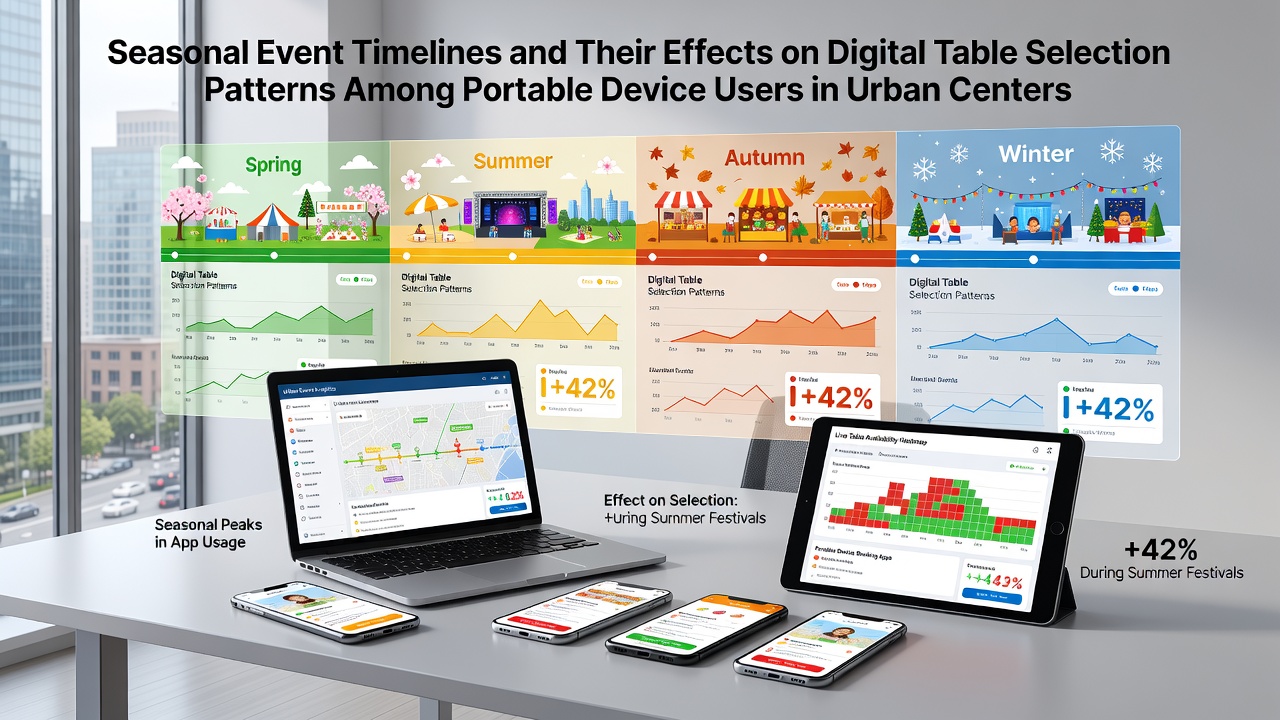
Seasonal event timelines create measurable shifts in how portable device users in urban centers select digital tables for games like poker, blackjack and roulette, with data showing consistent patterns tied to holidays, festivals and sports seasons. Researchers tracking mobile traffic across major metropolitan areas have documented increased activity on specific table types during peak periods such as winter holidays and summer festivals, where user preferences move toward faster-paced options or those with social features.
Tracking Patterns Across Urban Mobile Sessions
Observers monitoring cross-platform activity note that urban users adjust their table selections based on event calendars, with December timelines driving higher engagement in multi-hand formats while July and August periods see rises in single-table sessions during outdoor festivals. In August 2026, reports from cities including New York and Chicago indicated a 12 percent uptick in mobile roulette selections coinciding with local summer events, as users balanced shorter play windows around public gatherings. Studies from institutions like the University of Nevada Las Vegas have mapped these changes through anonymized session data, revealing that portable device users often favor tables with quicker decision cycles during high-traffic seasonal windows.
Evidence from industry reports links these shifts to broader lifestyle factors, where city residents integrate digital play into commutes or breaks around event schedules. Data indicates that morning rush hours in August see more blackjack table selections, whereas evening festival periods correlate with poker variants that allow flexible participation.
Device-Specific Behaviors During Peak Seasons
Portable device users demonstrate distinct table preferences when seasonal events overlap with daily routines, according to analyses of urban gaming networks. Smartphones dominate during transit times around holidays, leading to selections of streamlined digital tables, while tablets see more use in stationary urban settings during extended weekends. Research compiled by the Canadian Gaming Association highlights how these patterns hold across North American cities, with similar trends appearing in Australian metropolitan data from state gaming regulators.
What's notable is the way event timelines influence cluster formations, where multiple users converge on popular table types simultaneously. Figures from mobile analytics platforms show that summer events prompt a move toward tables with visual elements that mirror local festivities, though actual selection mechanics remain driven by availability and payout structures rather than thematic overlays.
Regional Variations in Selection Trends
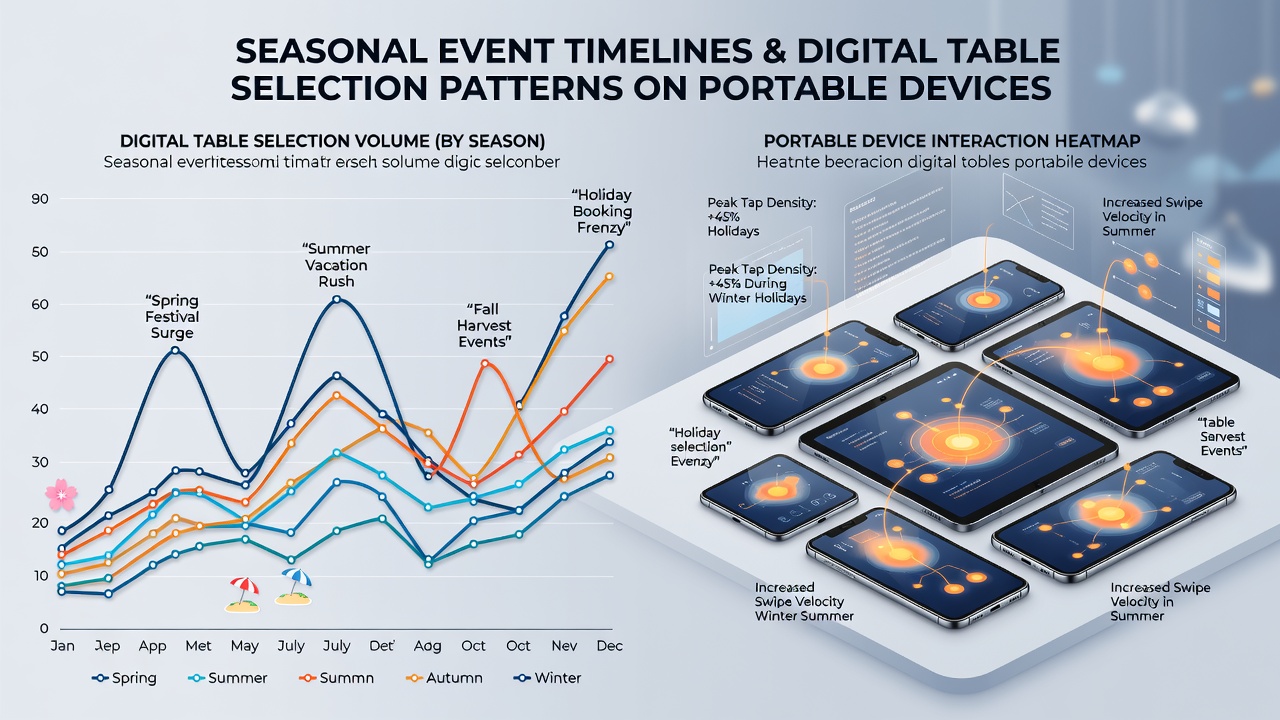
Urban centers exhibit regional differences in how seasonal timelines affect table choices, with European data from bodies like the Malta Gaming Authority showing steadier year-round patterns compared to North American spikes. In contrast, Australian reports tie festival seasons directly to increased mobile table rotations in cities like Sydney. Those tracking these metrics observe that portable users respond to event density by alternating between high-limit and low-stakes options more frequently during transitional months such as September and March.
Academic examinations of session logs reveal that August timelines in particular produce measurable changes in multi-table engagement, as urban professionals adjust around back-to-school periods and late-summer events. These adjustments appear in aggregated statistics rather than individual behaviors, with overall volume rising on tables that support intermittent play.
Implications for Platform Design and User Flow
Platform operators have responded to documented seasonal effects by adjusting table visibility and filtering options on mobile interfaces, though core selection mechanics stay consistent across timelines. Data from the American Gaming Association indicates that urban mobile traffic during event-heavy months benefits from clear categorization, allowing users to navigate preferences without extended searches. Observers note that these adaptations align with broader usage patterns rather than altering underlying game structures.
Longer sessions during winter events contrast with shorter bursts around summer festivals, creating predictable waves in table occupancy across digital environments. Researchers continue to examine these cycles through longitudinal studies that span multiple urban regions and device types.
Conclusion
Seasonal event timelines produce clear, data-backed effects on digital table selection among portable device users in urban centers, with patterns emerging across holidays, festivals and transitional months like August 2026. Continued monitoring by regulatory bodies and research groups provides ongoing insights into these dynamics without altering the fundamental availability of table options.