4 Jun 2026
Player Responses to Variable Bonus Expiration Windows in Portable Poker Applications

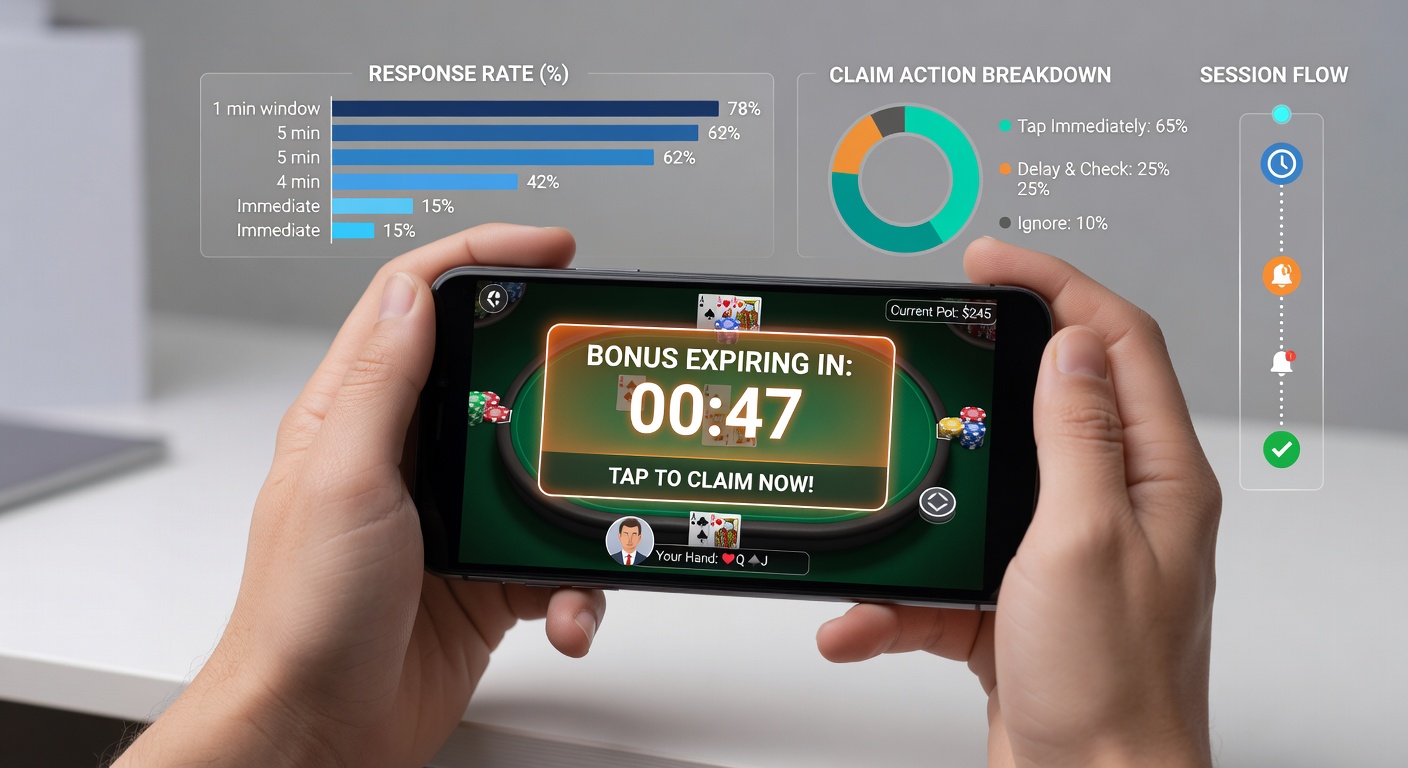
Portable poker applications have introduced bonus structures with expiration windows that range from hours to several days, and player behavior data collected across multiple platforms reveals distinct patterns in how users interact with these time-limited offers. Researchers tracking engagement metrics note that shorter windows often correlate with increased login frequency during the first few hours after bonus activation, while longer windows tend to spread activity across multiple sessions without the same urgency spike.
Understanding Expiration Mechanics in Mobile Poker
Variable bonus expiration windows function through timestamped triggers embedded in application code, where each promotional credit carries a countdown that resets only upon specific in-app actions such as completing a certain number of hands or reaching a wagering threshold. Data from cross-platform analytics shows these mechanics influence session length because players adjust their play schedules to maximize remaining bonus value before the timer hits zero. In June 2026, updates to several major portable poker networks introduced dynamic window adjustments based on user location and device type, which further complicated response patterns as users on tablets versus phones exhibited different completion rates for the same bonus pool.
Observed Behavioral Shifts Across User Groups
Studies conducted by independent research groups indicate that recreational players respond to short expiration windows by consolidating their poker activity into concentrated blocks, often logging in during evening hours when network traffic peaks. Those who engage with longer windows demonstrate steadier participation spread over multiple days, with decision clusters forming around bonus milestones rather than the final deadline. Professional users tracked in aggregated datasets show a preference for selecting bonuses with mid-range windows that align with tournament schedules, allowing them to integrate promotional play without disrupting established routines. Figures from the National Center for Responsible Gaming reveal that completion rates drop sharply once an expiration window falls below four hours, regardless of bonus size.
Device-Specific Patterns and Timing Data
Portable applications record higher interaction density on smartphones during the final 30 percent of any given expiration window, while tablet sessions maintain more consistent pacing throughout the available period. This distinction emerges because phone users frequently check timers during brief breaks, whereas tablet sessions occur in more dedicated environments. Application logs demonstrate that push notification timing directly affects response velocity, with reminders sent at the 50 percent mark producing measurable upticks in active users across both device categories. Observers note that these patterns hold steady even when bonus values remain constant, suggesting the expiration structure itself drives much of the observed variation.
Regional Regulatory Influences on Window Design
Regulatory frameworks in various jurisdictions shape how developers calibrate expiration windows, with Canadian provincial oversight requiring clear disclosure of all time limits before bonus activation. Australian research institutions have documented similar requirements that affect how operators present countdown information within portable interfaces. These rules create standardized presentation formats that allow players to compare offers across applications more readily, yet they also limit the range of experimental window lengths that developers can test in those markets. Reports compiled through the Australian Gambling Research Centre show regional differences in average window selection, with users in regulated environments completing bonuses at slightly higher rates than those in less structured markets.
Session Clustering and Decision Timing
Analysis of multi-hand sequences indicates that players cluster their decisions around the midpoint and final quarter of expiration windows, creating predictable spikes in table activity. This clustering becomes more pronounced when bonuses include hand-count requirements, because users pace their participation to meet thresholds before time runs out. Portable application telemetry captures these clusters through timestamped hand histories, revealing that evening sessions on weekdays contain denser bonus-related activity than weekend patterns, which spread more evenly. Those who've examined the datasets point out that the presence of variable windows does not alter overall hand volume as much as it shifts when that volume occurs within each calendar day.
Conclusion
Portable poker applications continue to refine bonus expiration mechanics based on aggregated response data, and the resulting structures produce measurable differences in login timing, session density, and completion behavior across user segments. As platforms incorporate location-aware adjustments and device-specific notifications, these patterns are likely to evolve further while remaining anchored in the fundamental relationship between time limits and player scheduling choices. Ongoing monitoring by research organizations provides the baseline metrics needed to track these developments across regions and device types.