8 Jun 2026
Investigating Linkages Between E-Wallet Transaction Confirmations and Multi-Table Poker Engagement Levels on Handheld Devices
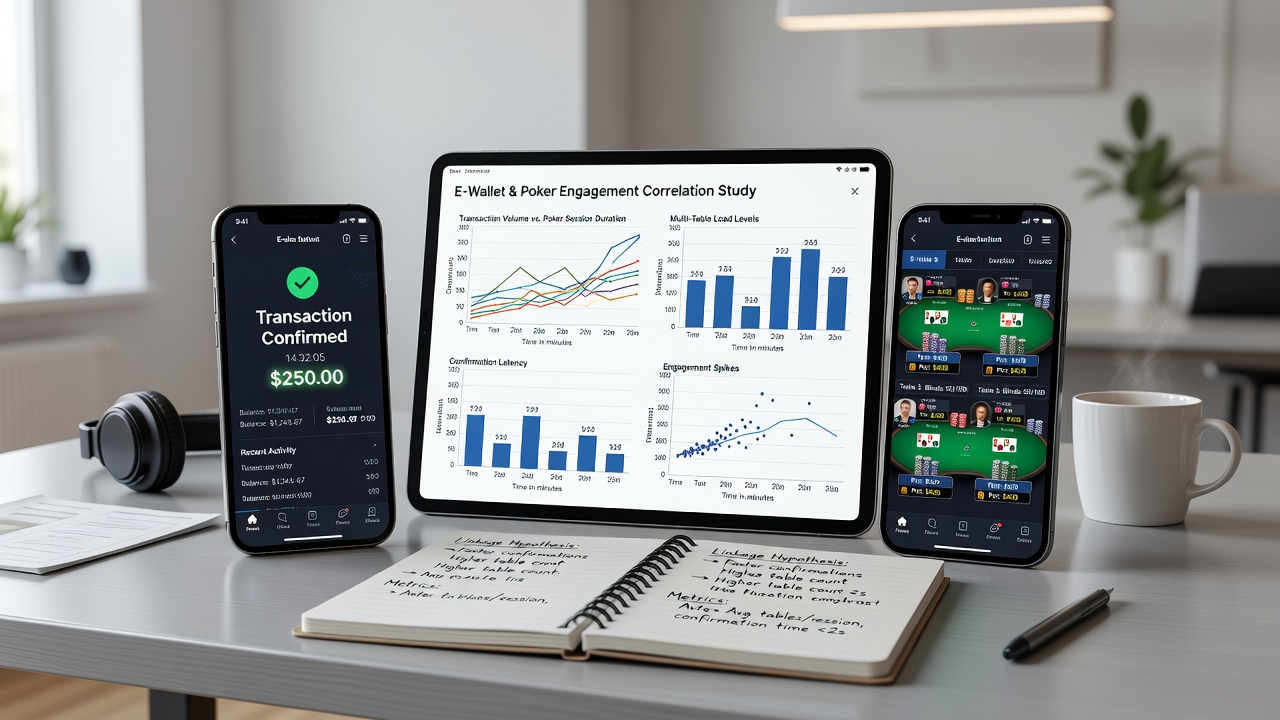
Analysts have examined connections between e-wallet transaction confirmations and engagement levels in multi-table poker on handheld devices through data collected across various platforms during 2025 and into June 2026. Patterns emerge when confirmation speeds align with session durations and table counts, especially as players switch between devices during peak evening hours in different time zones.
Overview of E-Wallet Integration in Mobile Poker
Operators integrate e-wallets such as digital payment services into poker applications to streamline deposits and withdrawals while players maintain active hands across several tables. Transaction confirmations occur through encrypted channels that notify users within seconds on smartphones and tablets, allowing continued focus on gameplay without extended interruptions. Data from industry reports indicate that average confirmation times range from two to eight seconds depending on network conditions and provider infrastructure.
Handheld devices facilitate multi-table sessions because screens support split-view modes or rapid tab switching, yet delays in payment processing can disrupt rhythm when players need to top up stacks mid-session. Researchers tracking user behavior note that sessions involving four or more simultaneous tables show measurable differences based on how quickly confirmations arrive after each transfer request.
Patterns Observed in Transaction and Engagement Data
Studies tracking player activity reveal that shorter confirmation windows correlate with sustained engagement across multiple tables, particularly when users operate on 5G networks versus older connections. Figures from cross-platform analyses show that sessions extending beyond 45 minutes often include repeated e-wallet interactions, and those with sub-five-second confirmations maintain higher table counts on average.
One analysis of portable gaming logs demonstrated that confirmation delays exceeding 12 seconds coincided with reductions in active tables by roughly 15 percent in observed samples. Players frequently return to single-table formats or exit applications altogether when processing stalls occur repeatedly during high-stakes periods.
Regional Variations and June 2026 Trends
Geographic differences appear in how regulatory environments influence e-wallet adoption and confirmation reliability. In Canada, provincial frameworks have encouraged faster processing standards among licensed operators, leading to documented increases in multi-table participation on mobile networks. Australian data similarly highlights steady growth in handheld poker engagement following infrastructure upgrades completed in early 2026.
European markets present varied results, with some jurisdictions requiring additional verification layers that extend confirmation times slightly. Observers note that these adjustments produce different engagement curves compared to regions with streamlined payment rules, though overall multi-table activity continues to rise where handheld usage dominates daily sessions.
Methodologies Used in Linkage Investigations
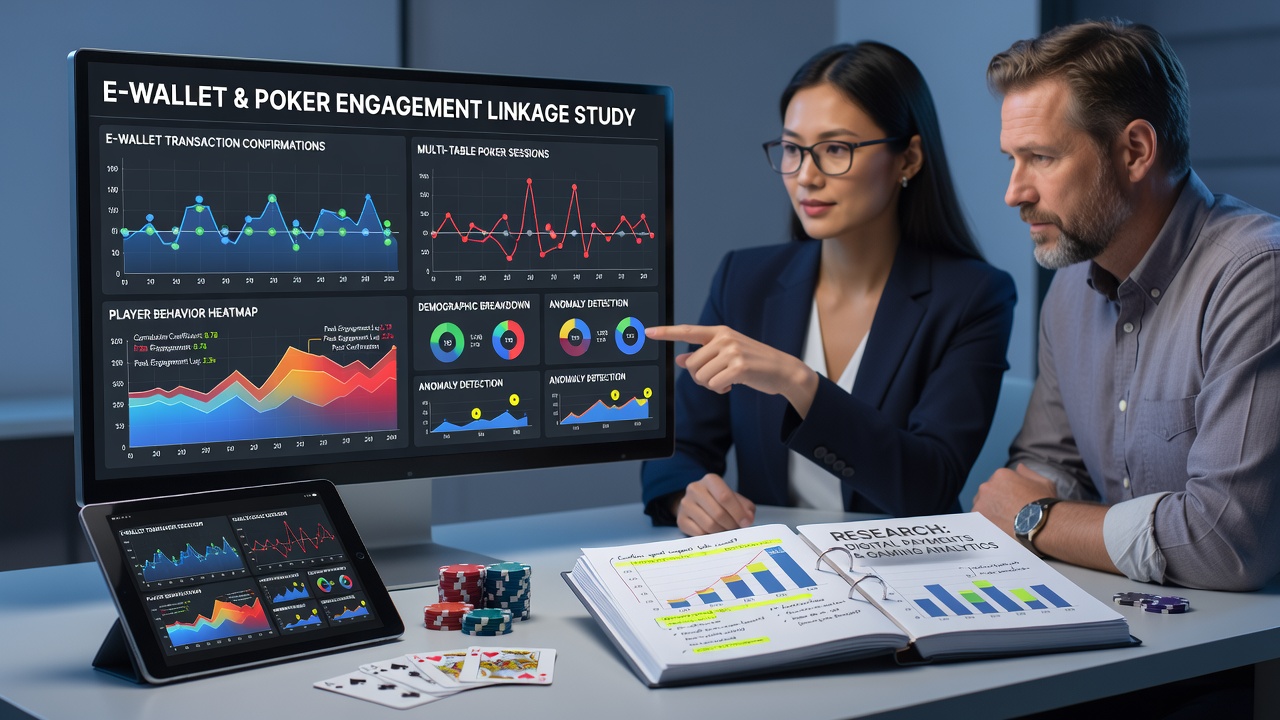
Researchers employ anonymized session logs combined with payment metadata to identify correlations without accessing personal financial details. Time-stamped records of deposits pair with table-joining timestamps and session lengths to build statistical models. Machine learning techniques help isolate variables such as network latency, device type, and time of day while controlling for player experience levels.
Case examples include examinations of peak-hour traffic in North American markets where confirmation speed directly preceded extended multi-table runs. Another review of Asian mobile ecosystems found similar linkages when e-wallet providers optimized push notifications for immediate delivery, reducing the interval between transfer approval and table re-entry.
Device-Specific Factors Influencing Outcomes
Screen size, processor speed, and operating system version affect how players respond to transaction confirmations during multi-table play. Tablets often support more simultaneous windows than smartphones, yet both device categories demonstrate sensitivity to confirmation timing when users attempt rapid stack adjustments. Battery optimization features on certain handhelds can delay background notifications, indirectly lengthening perceived processing intervals.
Application developers address these issues through streamlined interfaces that display confirmation status without requiring full screen switches. Data collected through June 2026 indicates incremental improvements in engagement metrics following such updates, particularly among users managing five or more tables concurrently.
Conclusion
Investigations into e-wallet confirmation linkages with multi-table poker engagement continue to produce actionable insights for platform design and payment integration. Evidence gathered across regions points to measurable relationships between processing speed and sustained mobile activity, with patterns holding steady through mid-2026. Further monitoring of emerging network technologies and device capabilities will likely refine these understandings as handheld poker participation expands.