20 Jun 2026
How Background Music Tempo Adjustments Affect Risk Assessment in Simulated Card Games on Desktop Setups
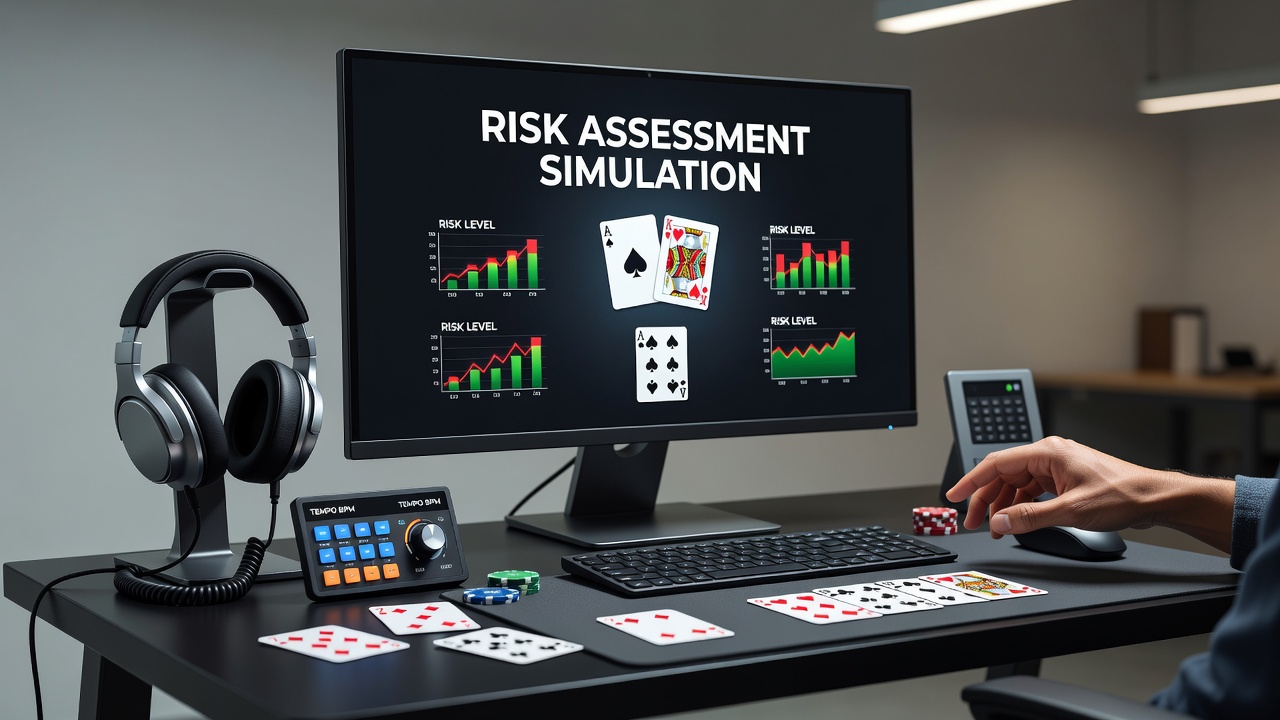
Simulated card games on desktop computers create controlled environments where researchers track how audio elements shape player choices, and background music tempo stands out as a variable that consistently correlates with shifts in risk assessment patterns. Studies conducted across multiple academic institutions reveal that tempo adjustments influence the speed and caution with which participants evaluate betting options during games such as poker or blackjack simulations. Data collected through repeated trials show measurable differences when music plays at 60 beats per minute compared with 120 beats per minute, while participants remain seated at standard desktop workstations equipped with headphones or speakers.
Audio Tempo as a Cognitive Modulator in Controlled Settings
Research teams have documented that faster tempos often coincide with quicker decision cycles and elevated acceptance rates for higher-risk wagers, whereas slower tempos align with extended review periods and reduced selection of uncertain outcomes. These patterns emerge in experiments that isolate tempo while holding other variables constant, including screen size, input devices, and game rules. Observers note that participants exposed to accelerated rhythms tend to finalize choices within shorter time windows, and this acceleration appears across age groups tested in university labs during 2025 and early 2026 sessions. In June 2026 additional datasets from cross-platform studies confirmed similar directional effects when desktop hardware remained the primary testing station.
Experimental Protocols Used in Desktop Card Simulations
Protocols typically involve 40 to 80 participants completing 50 hands of a simulated game while background tracks loop at predetermined tempos, and software logs every bet size along with response latency. Researchers calibrate music through digital audio workstations to ensure precise beats-per-minute values, and they randomize track order to prevent sequence bias. One study coordinated by North American academic groups linked tempo changes directly to altered probability weighting, showing that exposure to 140 beats per minute tracks increased selections of low-probability high-reward options by measurable margins. Another project based in Australian research centers examined 90 bpm versus 110 bpm conditions and recorded corresponding adjustments in average wager amounts across multi-round sessions. External validation came from reports issued by the Australian Institute of Criminology, which referenced parallel findings in controlled gaming simulations.
Quantitative Outcomes Across Tempo Ranges
Figures compiled from desktop-based trials indicate that risk assessment metrics shift in predictable directions when tempo crosses certain thresholds. Slower selections below 70 beats per minute correlate with conservative bet sizing and longer deliberation intervals, while selections above 110 beats per minute align with expanded bet ranges and reduced hesitation. Statistical models applied to these datasets control for individual differences in baseline risk tolerance, and the resulting coefficients remain significant after adjustment. Turns out the magnitude of change varies by game type, with draw poker simulations showing stronger tempo sensitivity than straight blackjack formats in the same hardware setup. Additional analysis released in mid-2026 reinforced these gradients when researchers aggregated results from over 1,200 completed sessions.
Hardware and Environmental Factors on Desktop Platforms
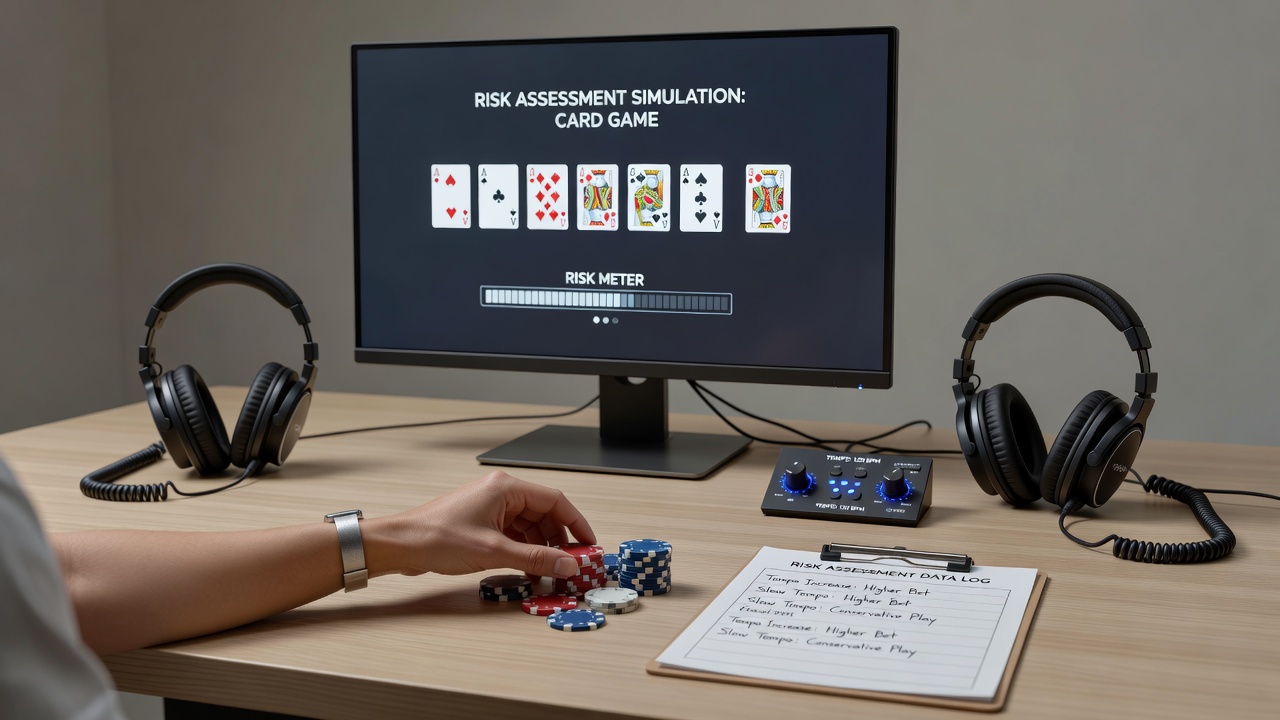
Desktop configurations introduce specific variables such as monitor refresh rates, keyboard response times, and ambient room acoustics that interact with music delivery. Experiments that standardize these elements still detect tempo-driven differences, suggesting the effect operates above simple hardware noise. Participants using calibrated studio monitors versus standard computer speakers produce comparable directional shifts, although absolute latency values differ slightly. Data from labs in both the United States and Canada demonstrate that the tempo effect persists across operating systems when software presentation remains consistent. Industry organizations such as the National Council on Problem Gambling have referenced these controlled findings when discussing audio design considerations for simulation tools.
Broader Patterns Observed in Aggregated Research
Meta-analyses of desktop card game studies reveal that tempo adjustments produce effects comparable in scale to other environmental manipulations such as lighting changes or session length variations. The consistency across independent labs supports the conclusion that tempo functions as a reliable modulator rather than an artifact of single-site methodology. Researchers continue to refine models that incorporate both tempo and harmonic complexity, yet current evidence centers on beats-per-minute as the dominant predictor within the ranges tested. Figures released through academic repositories show effect sizes that hold after multiple comparison corrections, and these patterns extend to sessions conducted during varied times of day.
Conclusion
Evidence assembled from desktop-based simulations establishes clear associations between background music tempo and risk assessment behaviors during simulated card games. Faster tempos correspond with accelerated and more risk-tolerant choices while slower tempos align with extended evaluation and restrained wagering. These relationships appear across multiple research sites and remain detectable after statistical controls for individual and hardware differences. Continued collection of session data through 2026 will allow further mapping of threshold effects and interactions with additional audio parameters.