28 May 2026
Decoding how regulatory shifts reshape loyalty reward structures in international mobile slot ecosystems
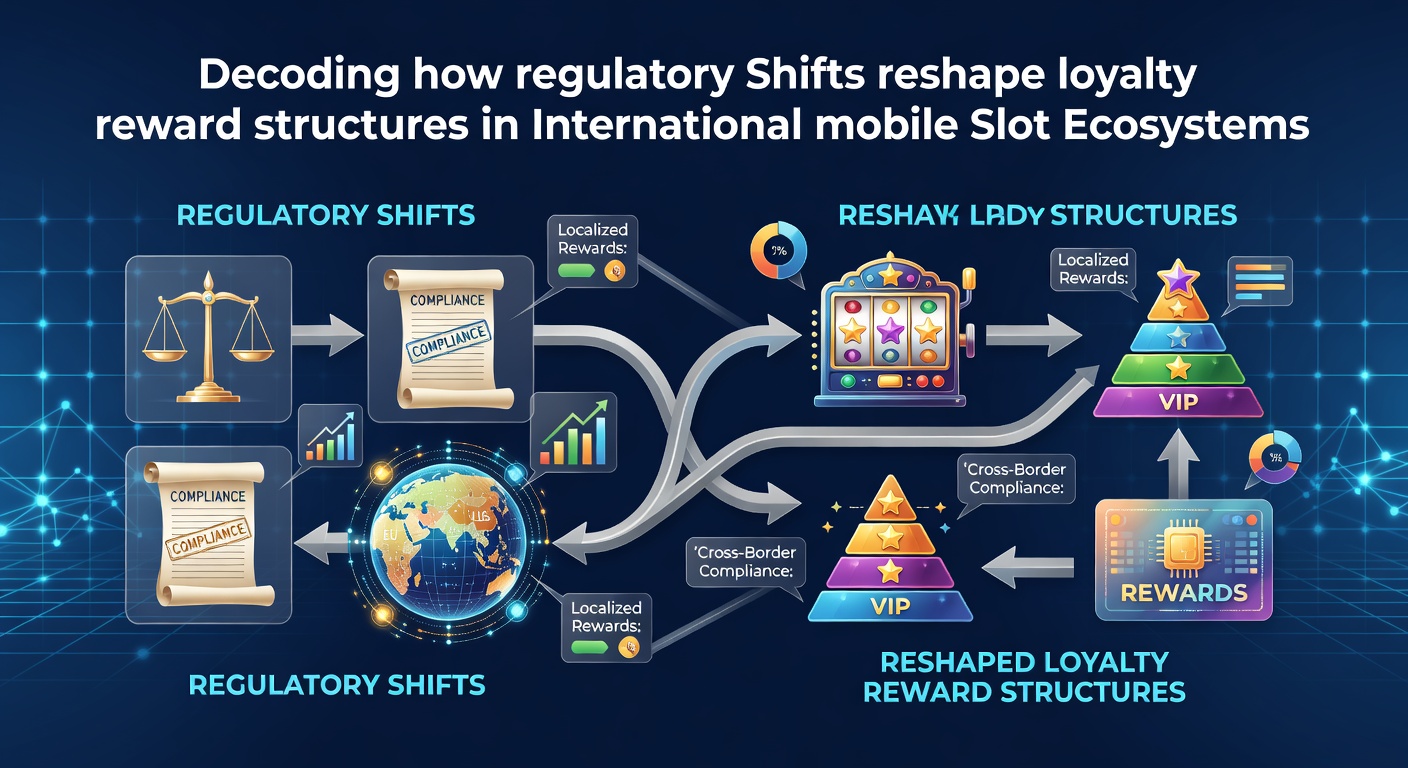
Regulatory adjustments in multiple jurisdictions have begun altering the mechanics of loyalty reward systems that underpin international mobile slot platforms, with data from cross-border operators showing measurable shifts in point accumulation rates and redemption thresholds since early 2025. Operators now navigate varying compliance requirements that directly influence how player engagement metrics translate into tangible benefits such as free spins, cashback percentages, and tiered status upgrades. Those monitoring these developments note that mobile-specific ecosystems face particular pressure because real-time data tracking intersects with privacy rules and taxation frameworks that differ sharply between regions.
Regional regulatory changes driving structural adjustments
European authorities implemented updated player protection directives in late 2025 that cap bonus multipliers tied to loyalty points on slot titles, prompting platform providers to recalibrate reward algorithms for users accessing games via smartphones in multiple member states. Canadian provincial frameworks introduced new reporting standards around reward valuation in March 2026, requiring operators to disclose point-to-cash conversion ratios in greater detail while limiting cross-promotional offers that blend mobile slot activity with land-based play. Observers tracking these patterns report that Australian state-level guidelines, effective from April 2026 onward, impose stricter verification processes for reward redemptions, which in turn lengthens the time players must engage before accessing higher-tier benefits in mobile environments.
These layered requirements have forced loyalty program architects to segment user bases by jurisdiction rather than maintaining uniform global structures. One study from the University of Nevada's gaming research division documented a 22 percent reduction in average point expiry windows across platforms serving North American and European markets simultaneously, illustrating how compliance timelines compress traditional reward cycles. Data released by the Malta Gaming Authority further indicates that mobile slot operators reduced the frequency of bonus round triggers linked to loyalty tiers by an average of 15 percent to align with emerging responsible gambling metrics.
Impact on point systems and redemption mechanics
Mobile slot ecosystems rely heavily on session-length tracking and bet-volume calculations to award loyalty points, yet new tax reporting obligations in several Asian-Pacific territories now treat accumulated rewards as taxable events at the point of issuance instead of redemption. This shift compels operators to adjust accrual formulas so that points earned during peak traffic periods carry adjusted values that account for jurisdiction-specific withholding rules. Those analyzing transaction logs note corresponding changes in how daily login streaks and consecutive play streaks contribute to status progression, with many platforms inserting mandatory cooling-off intervals to satisfy local player protection statutes.
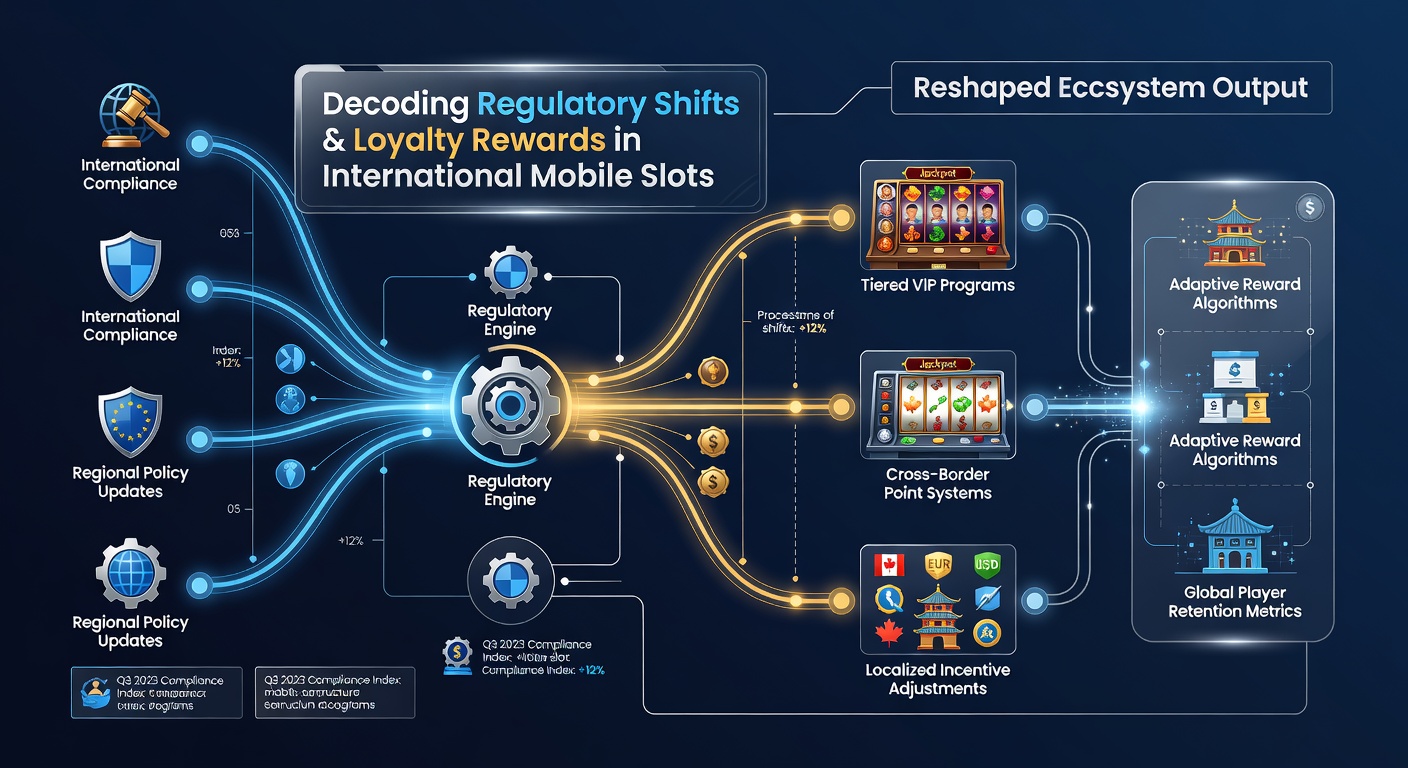
Platform teams working across borders have responded by introducing modular reward ledgers that apply different weighting coefficients depending on the user's detected location at the start of each session. Figures released by the Canadian Gaming Association in February 2026 revealed that operators serving multi-jurisdictional audiences increased the number of micro-tier levels within their loyalty structures by 40 percent, allowing finer calibration of benefits without violating aggregate reward caps set by individual regulators. Such granularity enables continued player retention while satisfying disclosure mandates that require clear separation between promotional credits and cashable balances.
Technology adaptations supporting compliance
Backend systems powering mobile slot loyalty programs now incorporate geofencing layers that automatically apply regional rule sets to point calculations in real time, preventing inadvertent violations when users travel between regulatory zones. Research conducted by the European Gaming and Betting Association shows that these automated adjustments have reduced compliance-related reward disputes by approximately 18 percent compared with pre-2025 static systems. Developers have also integrated dynamic pricing models for reward redemptions that fluctuate according to local currency controls and tax schedules, ensuring that the monetary value displayed to players remains consistent with each jurisdiction's reporting standards.
Operators report that integration of these tools required substantial investment in data segmentation infrastructure, yet the resulting architectures permit continued expansion into new markets without wholesale redesign of core loyalty engines. Patterns observed in transaction volumes through May 2026 indicate that players in heavily regulated regions encounter longer progression paths to elite tiers, while those in less restrictive territories retain faster accumulation options under the same overarching program umbrella.
Conclusion
Regulatory evolution continues to reconfigure loyalty reward frameworks within international mobile slot ecosystems through targeted constraints on point valuation, redemption timing, and cross-border consistency. Evidence from regulatory filings and industry reports demonstrates that operators have adapted by deploying jurisdiction-aware systems that preserve engagement incentives while meeting diverse compliance obligations. These adjustments reflect ongoing coordination between technological capabilities and legal requirements across global markets.