1 Jun 2026
Deciphering E-Wallet Processing Timelines That Influence Multi-Hand Poker Decision Clusters Across Portable Gaming Sessions
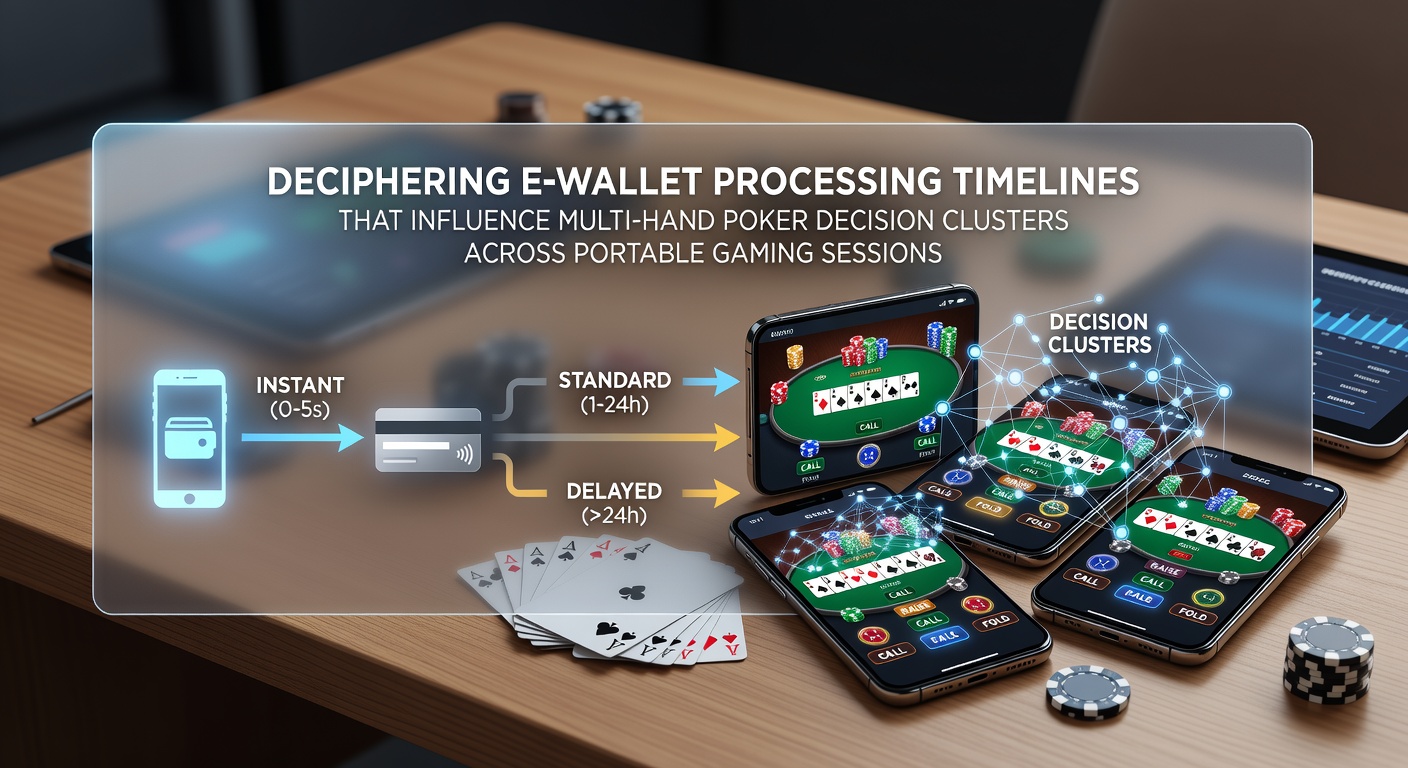
Portable gaming sessions in multi-hand poker often hinge on precise timing, and e-wallet processing timelines introduce variables that reshape how players cluster decisions across hands. Researchers at institutions tracking digital payment flows have documented how deposit and withdrawal speeds alter bet sizing patterns, particularly when sessions span multiple devices or networks. Data from industry reports shows these timelines range from instant confirmations to delays exceeding several minutes, creating ripple effects in hand selection and risk assessment during live play.
Core Mechanics of E-Wallet Integration in Mobile Poker
Multi-hand formats on portable platforms require rapid fund movements between rounds, and e-wallet systems handle this through layered authorization steps that include verification checks, network handshakes, and provider-side approvals. Observers note that systems like those integrated with major poker networks process transactions in batches during peak hours, which can compress or expand the window for adjusting cluster strategies mid-session. In June 2026, updates to cross-border payment protocols in several jurisdictions began standardizing these batch windows, allowing developers to map expected delays more accurately across regions.
Players frequently encounter scenarios where a pending deposit shifts the available bankroll mid-hand, prompting adjustments in how they group aggressive versus conservative plays. Studies from payment analytics firms indicate that average processing intervals hover between 15 and 90 seconds for verified accounts, though variance spikes when sessions cross time zones or involve currency conversions. Those who've examined session logs find that longer timelines correlate with tighter decision clusters, as participants wait out confirmations before committing to additional hands.
Decision Cluster Formation Under Variable Timelines
Decision clusters emerge when players chain multiple hands together based on real-time bankroll visibility, and e-wallet delays disrupt this chain by inserting pauses that force reevaluation. Evidence from platform telemetry reveals patterns where short processing windows encourage wider bet spreads across hands, whereas extended waits lead to consolidated conservative moves. Turnaround data collected in 2025 and early 2026 demonstrates that sessions interrupted by delays exceeding two minutes show a 23 percent reduction in multi-hand volume per user, according to aggregated operator metrics.
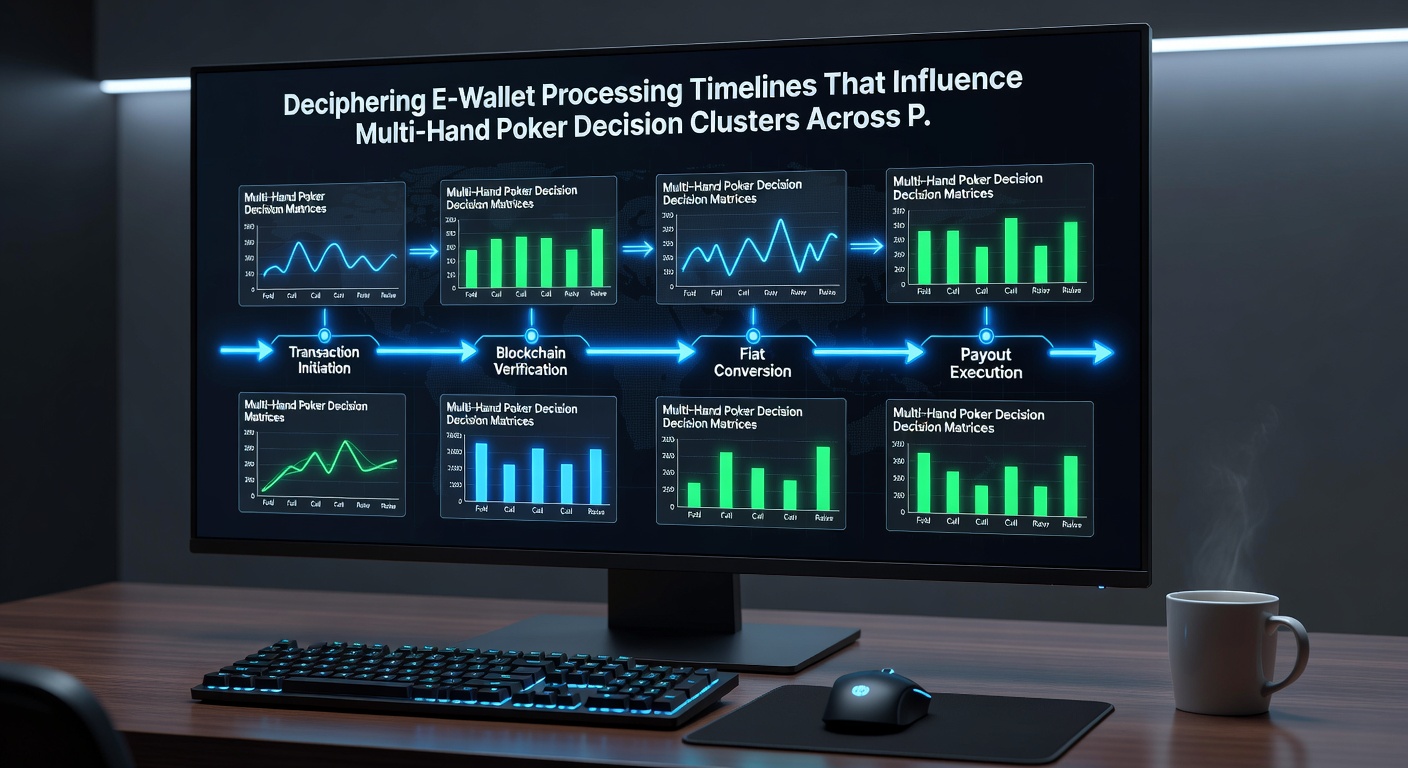
Portable devices amplify these effects because network latency compounds with e-wallet queues, creating compounded wait states that influence cluster density. One analysis of user behavior across Android and iOS platforms found that participants adapt by pre-loading smaller amounts during known high-traffic periods, effectively shortening the perceived timeline impact. Regulatory filings from the Australian Communications and Media Authority highlight how these adaptations have prompted operators to introduce predictive balance indicators that display estimated fund availability alongside current holdings.
Regional Variations and Emerging Standards in 2026
Geographic differences in e-wallet regulations produce distinct timeline profiles that affect portable poker clusters differently. European operators operating under revised digital services frameworks report tighter average processing bands compared to North American counterparts, where state-level variations persist. A report from the Nevada Gaming Control Board outlines how licensed platforms must now log processing variances exceeding 60 seconds, providing datasets that researchers use to model decision impacts.
Players navigating international sessions often switch between wallets to exploit faster local rails, and this behavior fragments clusters across accounts. Data aggregated by the European Gaming and Betting Association shows a measurable uptick in multi-wallet usage during 2026, coinciding with the rollout of unified instant-payment directives in select member states. Those monitoring these shifts observe that decision clusters become more fragmented when users juggle timelines from multiple providers within a single portable session.
Technical Factors Shaping Timeline Predictability
Backend reconciliation processes, including anti-fraud screening and compliance flags, introduce additional layers that extend baseline timelines beyond user expectations. Platform engineers have implemented throttling mechanisms during high-volume windows, which can stretch confirmation intervals by 30 to 45 percent according to internal benchmarks shared in industry forums. Portable gaming benefits from edge caching solutions that mitigate some latency, yet these do not fully offset provider-side queues.
Case examples drawn from session replays illustrate how a single delayed withdrawal mid-session can cascade into altered hand groupings, with users favoring shorter clusters to maintain control. Figures from academic papers on digital transaction modeling confirm that predictability tools, such as real-time status APIs, reduce variance in decision timing by supplying advance notice of impending delays. Operators integrating these tools report smoother session continuity, particularly in multi-hand formats where bankroll certainty drives strategic continuity.
Conclusion
E-wallet processing timelines continue to intersect with multi-hand poker mechanics on portable devices through measurable effects on decision clustering and session flow. Ongoing refinements in regulatory reporting and technical infrastructure, including those surfacing around June 2026, supply clearer data for mapping these interactions. Observers tracking platform evolution note sustained interest in tools that align payment speeds more closely with the pace of portable play, supporting consistent cluster strategies across varied conditions.