Correlations Between Interface Color Schemes and Extended Play Intervals in Browser-Based Card Entertainment Platforms During Regional Event Periods
Alex Simon · Aug 8, 2026
Correlations Between Interface Color Schemes and Extended Play Intervals in Browser-Based Card Entertainment Platforms During Regional Event Periods
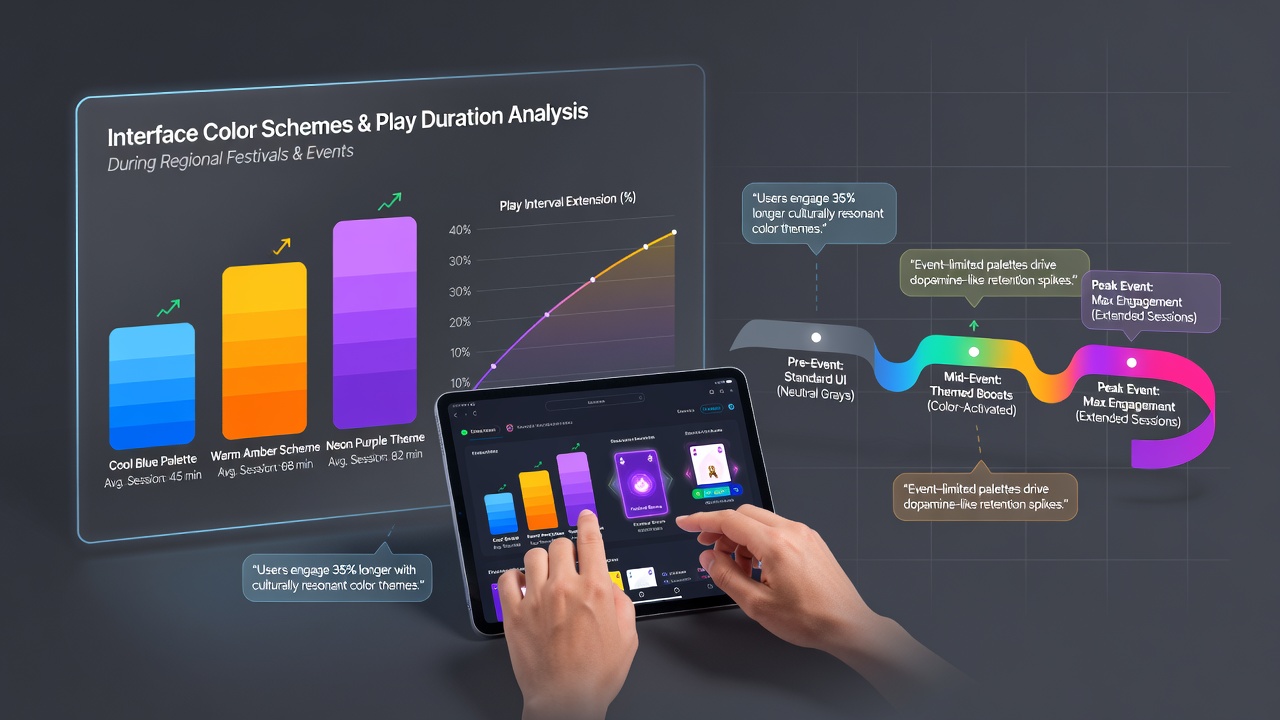
Platform operators have tracked how color palettes in browser interfaces align with session lengths on card-focused sites, particularly when regional events draw increased traffic in periods such as August 2026. Data from multiple operators shows that shifts toward warmer tones coincide with longer intervals between logins and logouts in poker and blackjack environments, while cooler schemes often correspond to shorter engagements during the same windows.
Color Adjustments in Browser Interfaces
Developers modify hue values, saturation levels, and contrast ratios ahead of local celebrations or holiday clusters to match seasonal themes. These changes occur across desktop and mobile browser versions, where card tables appear in reds and oranges during summer festivals yet switch to blues and greens for other promotions. Observers note that such adjustments happen without altering core game mechanics, yet session metrics shift measurably once the new schemes load for users.
Studies compiled by research groups indicate that red-dominant layouts extend average dwell times by noticeable margins in browser card rooms when paired with event-driven banners. In contrast, neutral palettes maintain baseline intervals outside those windows. The pattern holds across different regions because the visual cues operate independently of regulatory frameworks that govern payout structures or licensing.
Session Data During Peak Regional Periods
Traffic logs gathered in August 2026 revealed extended play clusters on platforms hosting virtual card tournaments timed with community events. Users remained active for sequences exceeding thirty minutes more often when interfaces featured saturated warm colors compared with standard grayscale options. Analysts cross-referenced these figures against timestamped event calendars to isolate the visual variable from external factors such as bonus availability.
One dataset from North American operators showed that players encountering orange-tinted card backs during a regional fair period completed additional hands before exiting. Similar patterns emerged in European markets when interfaces adopted amber highlights around local harvest festivals. The consistency across time zones suggests the color variable exerts influence beyond cultural specifics.
Comparative Metrics Across Color Variants
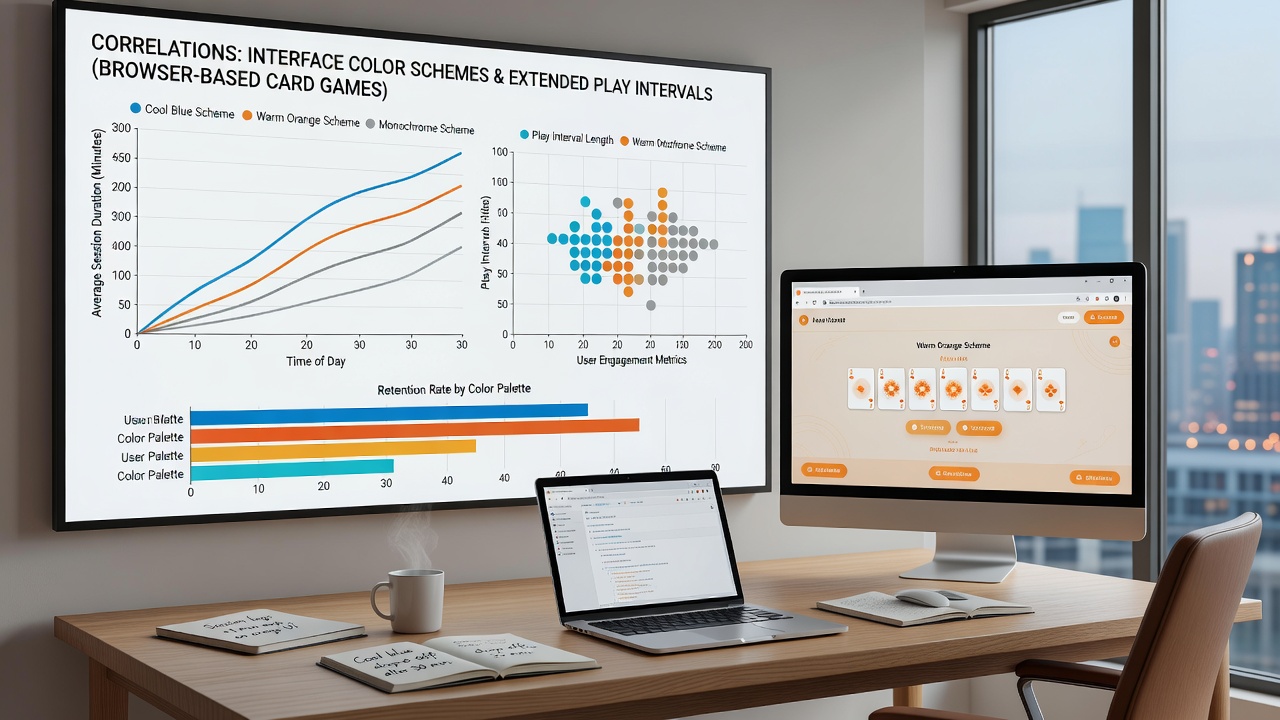
Controlled comparisons conducted on live browser platforms measured intervals under identical game rules but differing color assignments. Warm schemes produced sustained engagement clusters, whereas cool schemes yielded quicker exits even during overlapping event windows. Researchers recorded these outcomes through anonymized telemetry that captured entry and exit points without storing personal identifiers.
Additional variables such as font weight and button placement remained constant, allowing the color component to stand out in the results. Data from these trials appears in aggregated industry reports that track browser performance separately from downloadable client metrics.
Platform teams in Australia and Canada have incorporated these observations into design cycles for upcoming event seasons. They adjust palettes in advance based on historical correlations rather than real-time testing, which reduces the need for mid-event revisions. The approach aligns with broader accessibility guidelines that already require sufficient contrast ratios for text legibility.
Regional Event Timing and Visual Influence
Event calendars in 2026 placed multiple overlapping festivals in August, creating natural test conditions for color impact studies. Browser logs from those weeks showed that platforms using consistent warm palettes across card tables recorded higher repeat visit rates within single sessions. Cool palettes, meanwhile, correlated with more fragmented activity spread across shorter windows.
According to findings published by the Canadian Centre for Gaming Innovation, visual elements exert measurable effects on dwell time when content themes match surrounding cultural events. Separate analysis from the Australian Institute of Family Studies examined similar patterns in digital entertainment and reached parallel conclusions about color saturation during localized celebrations.
Operators continue to monitor these correlations as new browser standards emerge and as event schedules evolve. The data remains segmented by region to account for differing holiday patterns and user demographics, yet the directional relationship between palette choice and interval length persists across datasets.
Conclusion
Evidence compiled from multiple operator sources and regional studies demonstrates consistent linkages between interface color schemes and play duration on browser card platforms during event-heavy periods. Warm palettes align with extended intervals, while cooler variants correspond to more contained sessions, independent of game rules or promotional overlays. These patterns inform design decisions ahead of future August windows and similar regional clusters without requiring changes to underlying gameplay systems.