11 Jul 2026
Analyzing Server Maintenance Windows and Their Effects on Multi-Player Engagement Rates in Live Dealer Poker Rooms
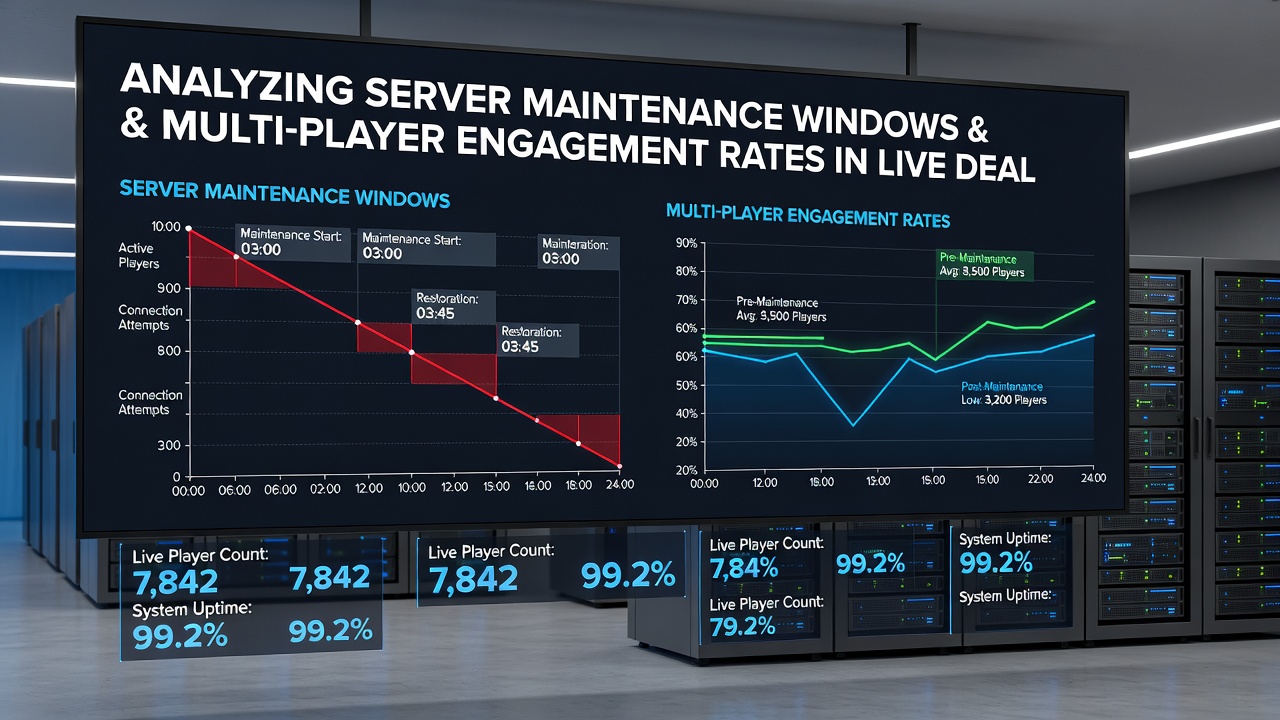
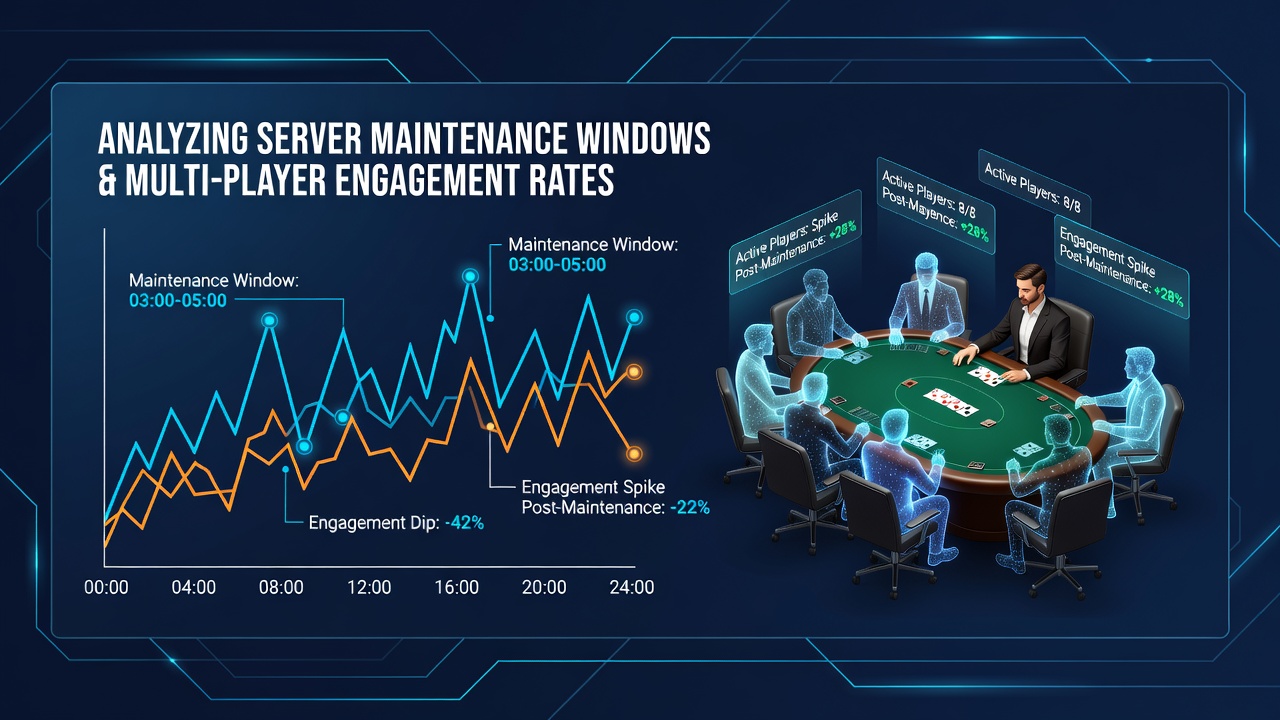 Server maintenance windows in live dealer poker platforms typically occur during periods of lower expected traffic yet these scheduled downtimes create measurable shifts in multi-player engagement metrics across global networks. Operators schedule these intervals based on historical traffic patterns with many platforms selecting early morning hours in primary user time zones to minimize disruption while still requiring periodic updates to game servers and streaming infrastructure. Data from multiple regional operators reveals consistent drops in concurrent player counts during announced maintenance periods with engagement rates falling between 25 and 40 percent in the hour leading up to downtime. Live dealer rooms which rely on real-time video feeds and synchronized player tables experience additional complications because maintenance often requires pausing dealer shifts and clearing active tables which fragments ongoing sessions and forces players to reconnect or migrate to alternative tables once systems return online.
Timing Patterns Across Different Markets
European platforms frequently align maintenance with late night hours in CET while North American operators favor early morning slots in EST and PST zones and these choices reflect attempts to align with regional player demographics. Australian operators have reported similar patterns with maintenance concentrated between 3 AM and 6 AM AEST producing engagement rebounds within 45 minutes after service restoration according to aggregated platform telemetry shared through industry reports.
July 2026 saw several major platforms adjust their maintenance calendars following regulatory updates in multiple jurisdictions with operators in Ontario and several EU member states extending window durations to accommodate enhanced security patches and these adjustments coincided with observed changes in player return rates once sessions resumed.
Engagement Metrics and Player Behavior
Research conducted by academic institutions tracking iGaming patterns shows that multi-player engagement measured through average table occupancy and session duration declines sharply when maintenance overlaps with peak regional hours even by small margins. Players who encounter partial table closures often switch to single-player alternatives or exit entirely rather than waiting for restoration which produces lasting effects on retention curves over subsequent days.
One analysis of cross-border traffic indicated that players accessing rooms from mobile devices during maintenance windows experienced higher disconnection rates due to streaming buffer issues compared with desktop users and this difference contributed to uneven engagement recovery across device types. Platforms that provide advance notifications through in-app alerts and email systems see slightly faster post-maintenance recovery with some operators reporting 15 percent quicker table repopulation when communications include estimated restoration times.
Regional Regulatory Influences
Regulatory frameworks in different regions shape how operators communicate and execute maintenance windows with Canadian provincial regulators requiring advance disclosure periods while certain Asian markets impose stricter uptime standards that limit window frequency. iGaming Ontario reports documented correlations between extended maintenance and temporary shifts in multi-table participation rates during 2025 and 2026 observation periods.
European operators operating under varying national standards have adopted staggered maintenance approaches across server clusters to maintain partial availability and this method reduces total engagement loss though it introduces complexity in synchronizing dealer availability across regions. Studies from research bodies indicate that platforms using predictive analytics for window timing achieve more stable engagement curves compared with those relying on fixed schedules alone.
Recovery Dynamics After Maintenance
Post-maintenance engagement rebounds vary depending on notification quality and perceived reliability of the platform with some networks observing that players return within minutes when tables repopulate quickly while others experience prolonged dips lasting several hours. Multi-player formats suffer more pronounced effects than solo games because they require critical mass at tables and this threshold effect amplifies small reductions in active users into larger disruptions.
Operators have responded by implementing queue systems and priority table assignments for returning players which helps stabilize engagement metrics according to platform performance summaries. Data collected through 2026 indicates that consistent maintenance communication paired with rapid restoration correlates with steadier long-term participation rates across live dealer poker environments.
Conclusion
Server maintenance windows produce predictable yet variable impacts on multi-player engagement in live dealer poker rooms with timing, communication, and recovery speed serving as primary influencing factors. Regional differences in regulatory expectations and player demographics continue to shape operator strategies while ongoing data collection from platforms supports refinement of these operational practices. Patterns observed through mid-2026 highlight the ongoing need for precise scheduling aligned with actual traffic data to sustain consistent engagement levels across diverse markets.